A Gentle Routine for a Stronger Core at Home
Build core strength gently at home with a calm, low-impact routine of breathwork and beginner moves. No gear needed—just 15–20 minutes, 3–4 days a week.
Gentle Beginnings
A gentle routine at home can build a surprisingly strong core without strain or complicated equipment. Begin by understanding what your core truly is: not just the abs you can see, but a 360-degree system that includes the transverse abdominis, obliques, rectus abdominis, multifidus, diaphragm, and pelvic floor. This team stabilizes your spine, supports balance, and powers daily movement. Warm up with small, soothing motions that invite mobility and circulation: slow neck nods, shoulder rolls, and easy spinal flexion and extension. Gentle hip rocks, knee hugs, and seated thoracic rotations help release tightness and awaken deep support. Move with mindful pacing, matching each motion to a calm breath. Keep effort at a comfortable level while you scan for areas of gripping or bracing. When the body feels safe, muscles fire more efficiently, joints move more freely, and alignment becomes natural. In this softer space, your core learns to switch on without forcing, laying the groundwork for resilient stability.
Breathe and Align
Effective core work starts with breath and alignment. Practice 360-degree breathing by inhaling through the nose and letting air expand the ribcage in all directions while the belly and back gently widen. As you exhale, think of lifting the pelvic floor and hugging the lower belly toward the spine to engage the deep core. Keep a neutral spine by stacking ribs over pelvis, lengthening through the crown, and softening the shoulders. This posture helps your diaphragm coordinate with abdominal muscles, improving intra-abdominal pressure and protective support. Avoid bracing so hard that you hold your breath; aim for smooth, even exhales that time with effort. Imagine zipping from pubic bone to navel and wrapping a light belt around your waist. Maintain a relaxed jaw and open hands to reduce unnecessary tension. With every inhale and exhale, you are teaching your system to stabilize from the inside out, ensuring each subsequent move builds integrity rather than strain.
Activation Circuit
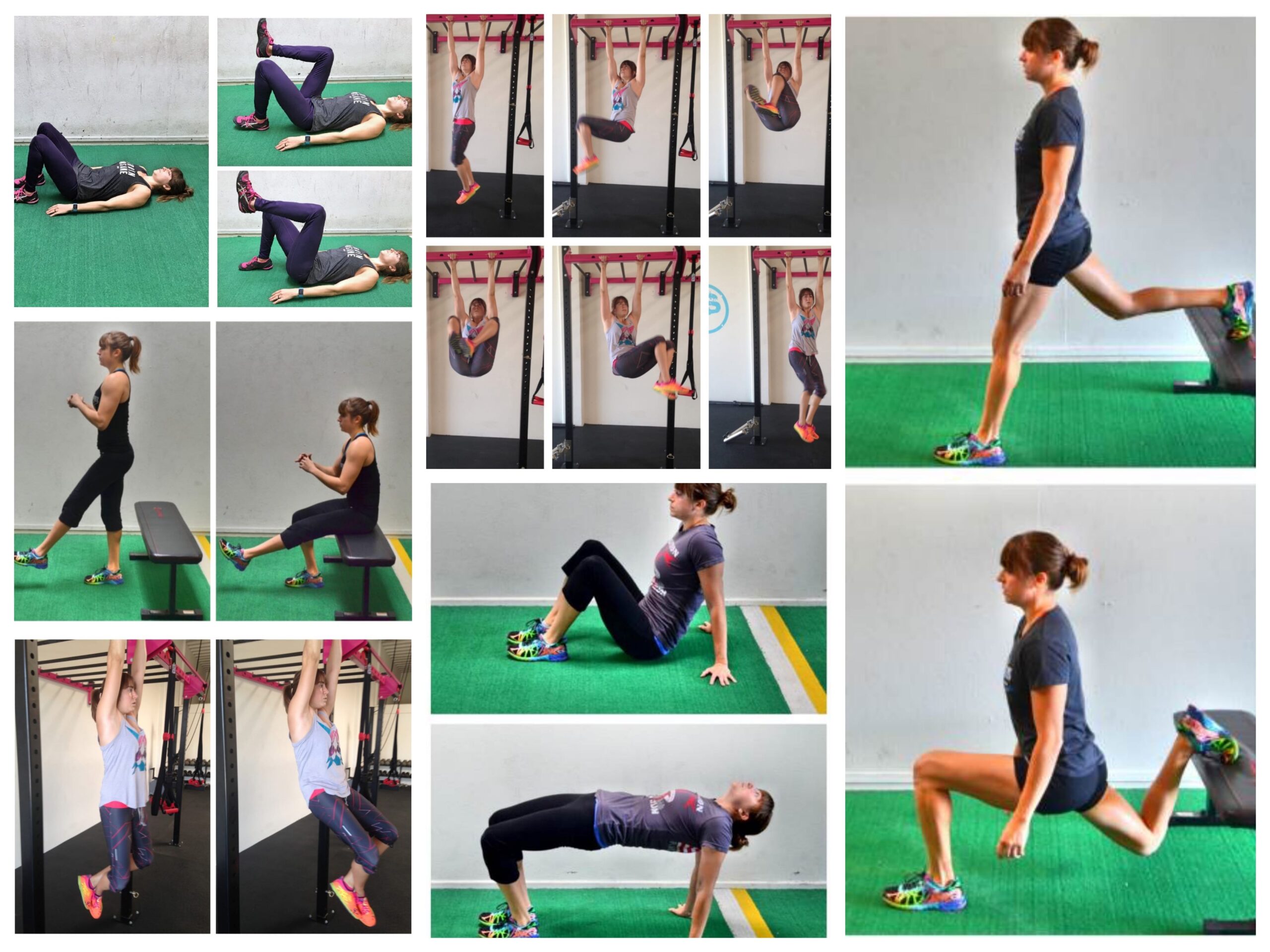
Once breath and alignment are set, ease into a simple activation sequence. Start supine with pelvic tilts, rocking the pelvis to find neutral and awaken lower abdominals. Transition to heel slides, gliding one heel out while keeping the pelvis steady and the ribs softly anchored; alternate sides at a calm tempo. Add dead bug variations: arms reach to the ceiling as you exhale and lower the opposite arm and leg, then return with control. Roll to all fours for bird-dog, extending one leg and the opposite arm while keeping hips level; think long, not high. Bridge from the floor to engage glutes and reinforce posterior chain support, holding a brief isometric at the top without arching. For lateral stability, try a modified side plank on the knees, lifting through the underside waist. Keep every rep smooth, prioritize quality over quantity, and rest as needed. This steady flow lights up deep stabilizers while staying joint-friendly and accessible in a small space.
Smart Progression
Progress without pushing into pain by adjusting one variable at a time. You can increase time under tension with slower eccentrics, add short isometric holds, or expand range of motion while preserving alignment. Reduce external support by moving arms farther from the body or unweighting one limb, transforming basic drills into potent anti-rotation work. Layer in gentle standing patterns like a suitcase carry with a household item, a controlled march, or a wall press to teach the core to stabilize during everyday tasks. Keep sessions concise yet consistent; brief practice performed regularly outperforms sporadic marathons. Rotate focuses across sessions—anterior control one day, posterior chain the next, lateral stability another—to balance your routine. Track subtle wins: steadier pelvis during heel slides, quieter ribs in dead bug, smoother breaths in side planks. Let consistency, not intensity, guide choices. As control improves, effort feels easier, and resilience grows without sacrificing comfort or form.
Recovery and Integration
Recovery cements progress and keeps the nervous system ready to learn. After training, downshift with easy breaths, gentle spinal decompression, and soft hip flexor or side-body releases to maintain mobility. Prioritize daily habits that support tissue health: nourishing nutrition, steady hydration, and restorative sleep. Throughout the day, sprinkle in movement snacks—standing tall, relaxing the ribs, lightly lifting the pelvic floor, and exhaling to re-engage the deep core. Integrate stability into real life: hinge with a long spine to pick things up, brace lightly before lifting groceries, and walk with relaxed shoulders and an active midline. Use discomfort as feedback, not a mandate to push harder; back off when form wavers and return to breath-led control. If a variation feels too intense, regress to the version that lets you own alignment. Over time, this gentle, attentive practice weaves strength into your routine, helping your body feel supported, balanced, and ready for whatever the day brings.