Building a Balanced Plate Without Counting Calories
Learn to build a balanced plate without counting calories: fill half with produce, add lean protein, smart carbs, healthy fats, and mindful portions.
The Plate Method, Simplified
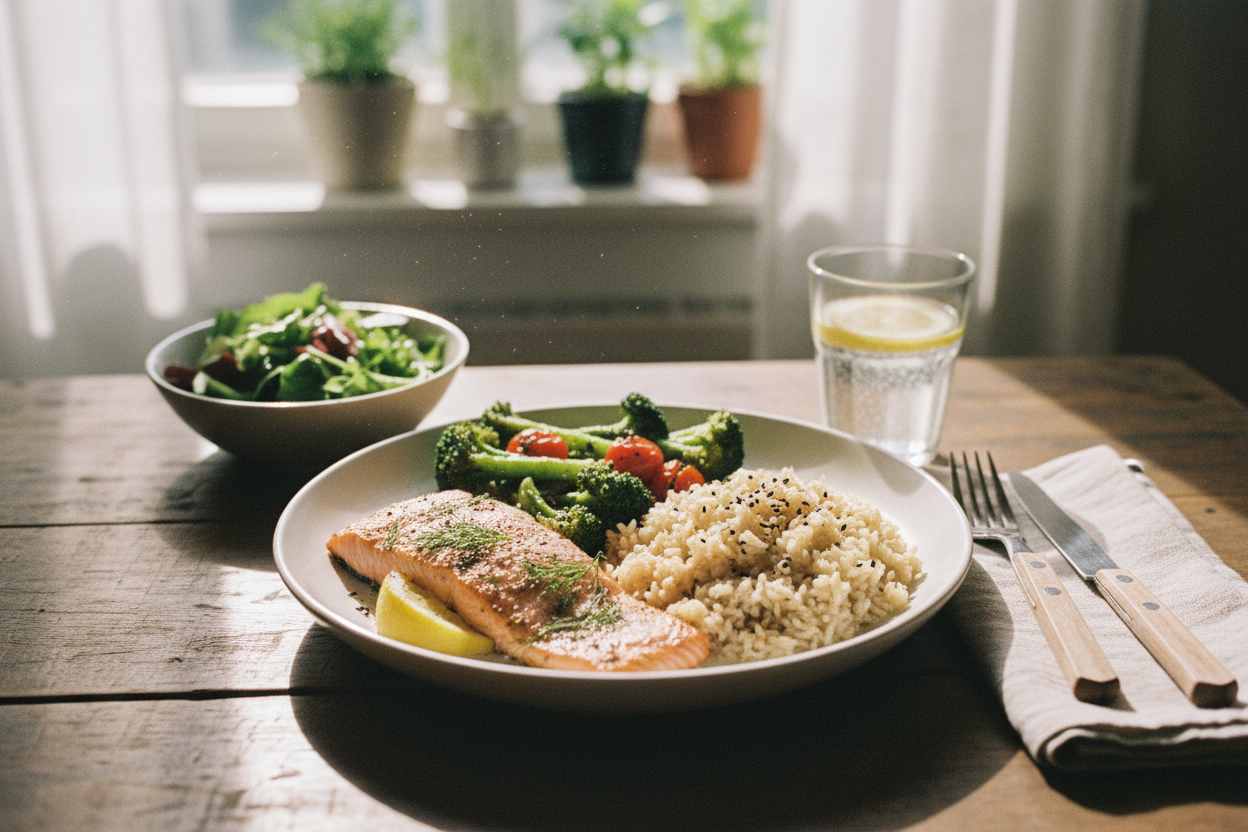
Building a balanced plate without counting calories starts with a clear visual: fill half your plate with non-starchy vegetables, reserve one quarter for lean protein, and the final quarter for smart carbohydrates like whole grains or starchy vegetables. Add a modest portion of healthy fats through a drizzle of olive oil, a sprinkle of nuts, or a few slices of avocado. This simple template supports steady energy, better digestion, and natural satisfaction. Vegetables provide bulk and fiber, protein boosts fullness and muscle maintenance, and carbohydrates supply your most accessible fuel. Healthy fats amplify flavor and help your body absorb fat-soluble vitamins. If fruit fits your meal, enjoy a small serving as a refreshing finish. This method adapts effortlessly to any cuisine, from stir fries and buddha bowls to tacos and pasta plates. Think colorful variety, mindful portions, and purposeful pairings. When your plate looks vibrant and balanced, it often lands at the right intake without any math.
Portions by Sight, Not by Math
Skip the numbers and lean on visual cues. When a plate is not practical, use your hand as a guide: a palm of protein, a cupped hand of carbs, a thumb of fats, and two fists of vegetables for a hearty bowl. This approach scales with your body, travels anywhere, and keeps focus on quality over quantity. Plate your vegetables first to claim half the real estate, then add protein, and finish with carbs and fats so portions stay grounded. Choose smaller plates or bowls when appetite is modest, and use taller bowls for big salads to pack in produce. For snacks, aim for a protein plus produce pair, like yogurt with berries or hummus with carrots. Let a spoon measure oils and nut butters rather than free-pouring. These tiny rituals maintain balance while preserving flexibility for celebrations, dining out, or a quick desk lunch. Trust your eyes, not a calculator, and build consistency through simple habits.
Proteins That Satisfy and Support
Prioritize lean protein to anchor your meals and curb cravings. Think fish, chicken, turkey, eggs, tofu, tempeh, edamame, lentils, beans, Greek-style yogurt, or cottage cheese. Protein supports muscle maintenance, healthy hair and skin, and a stronger immune system, while enhancing fullness so you naturally eat to comfort rather than compulsion. Grill, bake, poach, or stir fry to keep added fats intentional and flavors bright. Season with herbs, citrus, garlic, and spices to create depth without relying on heavy sauces. Spread protein across meals instead of loading it all at dinner; a little at breakfast, lunch, and dinner smooths energy and appetite. For plant forward plates, combine complementary proteins like beans and grains, or tofu with quinoa, to cover essential amino acids. If you feel snacky shortly after a meal, consider adding another ounce or two of protein next time. A sturdy protein foundation makes balanced plating easier, more satisfying, and delightfully sustainable.
Carbs for Steady Energy
Carbohydrates are not the enemy; refined extremes are. Choose whole grains like oats, brown rice, farro, quinoa, or barley; include starchy vegetables such as potatoes, sweet potatoes, squash, or corn; and enjoy fruit for natural sweetness and micronutrients. These options provide fiber and slowly released energy that supports focus, movement, and stable mood. Pair carbs with protein and fats to keep blood sugar steadier and cravings quieter. Small adjustments can tailor your intake: if you train hard or stay active, a fuller quarter plate of carbs can help; if your day is lighter, lean toward more vegetables while keeping some carbs for satisfaction. Consider texture and cooking techniques that maximize pleasure and control portions, like roasting potatoes with herbs, or tossing whole grain pasta with sautéed vegetables and olive oil. When you consistently choose smart carbohydrates, your plate powers your day without the need to tally numbers or chase quick sugar fixes.
Colorful Produce and Fiber
Half a plate of colorful produce delivers volume, vitamins, minerals, antioxidants, and plenty of fiber. Think leafy greens, cruciferous vegetables, tomatoes, peppers, carrots, onions, mushrooms, and a rotation of fresh or frozen berries and other fruits. Aim for varied colors to broaden nutrient coverage and keep meals exciting. Cooked vegetables can be easier on digestion and more satisfying in cooler weather, while crisp raw salads offer refreshing crunch and hydration. Roast, steam, grill, or sauté with a little healthy fat, and finish with lemon juice, vinegar, or fresh herbs to brighten flavor without heavy sauces. Keep frozen vegetables on hand for speedy sides and blender friendly soups that increase fullness. If you are building a bowl, make produce the base before adding protein and carbs. Over time, a produce forward pattern supports gut health, regularity, and a naturally moderated appetite, all of which make balanced eating feel both generous and effortless.
Healthy Fats, Flavorful and Measured
Healthy fats make meals more satisfying and nutrient dense. Favor olive oil, avocado, nuts, seeds, olives, and fatty fish for monounsaturated and omega 3 benefits that support heart and brain health. Keep portions modest by measuring a thumb of nut butter, a small handful of nuts or seeds, or a light drizzle of oil. Use robust flavors like toasted sesame oil, pesto, or tahini as finishing accents rather than cooking mediums, capturing taste while managing quantity. Combine fats with vegetables and proteins to amplify pleasure without overshadowing the plate. For dressings, whisk olive oil with citrus, vinegar, mustard, or herbs to create a bright, controlled pour. If you find your plate creeping toward heavy, swap a creamy sauce for a salsa or chimichurri, or top with crunchy seeds instead of cheese. Thoughtful use of healthy fats secures fullness, keeps textures interesting, and respects balance without the need to count anything.
Mindful Eating and Appetite Cues
Balanced plates only work if you honor hunger and fullness cues. Begin meals gently hungry, then eat slowly enough to notice flavors, textures, and satisfaction rising. Put your utensil down between bites, sip water, and check in halfway: do you want more protein, vegetables, or simply a few additional bites for comfort. Avoid eating by distraction whenever possible; a quiet minute or two enhances awareness and helps you stop naturally. Embrace the satisfaction factor by including something you truly enjoy, whether that is creamy yogurt, roasted potatoes, a square of dark chocolate, or a bright dressing. If you overshoot fullness, do not compensate with restriction; instead, return to your next balanced plate at the usual time. When dining out, apply the same visual method, then box leftovers once you feel content. Over days and weeks, listening to your body converts balanced plating from a rule into an empowering self regulation skill.
Planning for Real Life
Consistency grows from gentle planning, not rigid tracking. Stock simple building blocks: washed greens, pre cut vegetables, canned beans, eggs, plain yogurt, frozen fish or chicken, whole grains, olive oil, nuts, seeds, and seasonal fruit. Create meal templates you can remix: a grain bowl with half vegetables, a palm of protein, a cupped hand of carbs, and a thumb of fats; a hearty salad with beans and seeds; a stir fry over brown rice; or a pasta plate loaded with vegetables and finished with olive oil and parmesan. Adapt to any cuisine by keeping the plate ratio in mind. For travel days, pack protein plus produce snacks like string cheese with an apple, or roasted chickpeas with grapes. Batch cook a pot of grains and a tray of vegetables once or twice per week, then assemble in minutes. With flexible structure, your health goals align with pleasure, time, and real life, no counting required.