Carry-On Only: Packing Light Without Compromise
Master the art of carry-on travel with smart wardrobe math, multipurpose gear, and TSA-savvy hacks—pack lighter without sacrificing comfort or style.
The Carry-On Mindset
Choosing to travel with carry-on only is a philosophy as much as a packing decision. It prioritizes mobility, efficiency, and freedom over the false comfort of packing for every hypothetical scenario. Begin by defining your personal nonnegotiables: comfort items, essential tech, health needs, and one small luxury that makes you feel at home. Then apply a strict edit to everything else. Constraints become creative prompts; you will discover that multi-use items and versatile layers serve you better than single-purpose gear. With no checked bag, you bypass baggage carousels, reduce the risk of lost items, and move seamlessly through cities and stations. More importantly, you travel with a clearer head, because every item was chosen with intent. The result is a kit that reflects your itinerary and style, not a generic packing list. Think of it as a compact toolkit that empowers spontaneity, keeps you nimble, and turns packing light into packing right.
Blueprint Your List With Purpose
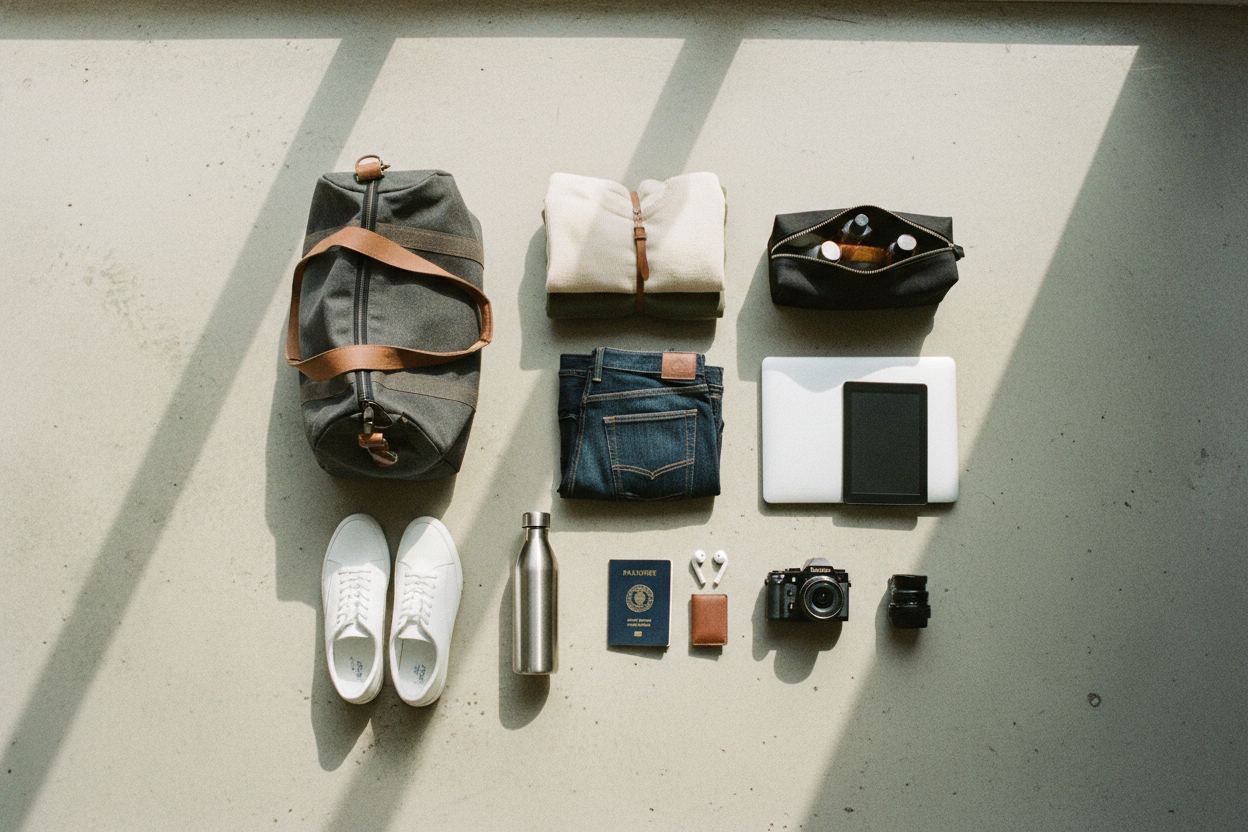
A smart trip starts with a deliberate list. Map your days and note essential activities, climates, and social contexts, from long walks to dinners with a dress code. Group needs by category: clothing, toiletries, tech, documents, and health. Create three tiers: must-haves, nice-to-haves, and leave-behinds. Every item should pass a role test: it either earns multiple uses, fills a gap nothing else covers, or it stays home. Consider destination norms and laundry options; if washing is feasible, packing fewer pieces becomes effortless. Decant liquids to compliant sizes and favor solid formats to reduce leaks and screenings. Double-check power needs, adapters, and medications before anything else goes in. Weigh your bag partway through to stay within limits, and mark items to revisit after the trip so your list evolves. This is a living system, not a one-off plan, designed to keep your carry-on focused, compact, and calm.
Craft a Capsule Wardrobe That Works
The backbone of carry-on travel is a capsule wardrobe: a tight collection of mix-and-match pieces that perform across settings. Choose a neutral base palette to maximize combinations, then add one accent color or pattern for visual interest. Aim for wrinkle-resistant, quick-dry, and breathable fabrics that layer smoothly. For many itineraries, three tops, two bottoms, one light sweater, and a compact outer layer can yield a week or more of unique outfits. Limit footwear to two pairs: one all-day walking shoe and one elevated yet comfortable option that dresses up or down. Accessories carry big impact with tiny volume; a scarf, belt, or lightweight jewelry transforms looks without consuming space. Prioritize silhouettes you actually enjoy wearing; a perfect-fit tee you love beats a technical piece you tolerate. Build around activities, not fantasies. The goal is versatility, comfort, and cohesion, so every piece cooperates and nothing floats alone.
Streamline Toiletries and Health Essentials
Toiletries are where many bags bloat, so insist on compact, leak-proof, and multi-purpose solutions. Decant favorites into tiny refillable containers, or switch to solid bars for shampoo, conditioner, and cleanser to skip liquid limits and spills. A small multi-use balm can replace lip care, cuticle cream, and dry patches. Pack reef-safe sunscreen, a foldable toothbrush with dental tabs, and a minimal makeup kit that hinges on one palette and a tinted moisturizer. Place an ultra-slim first-aid pouch in an accessible pocket: pain reliever, adhesive bandages, antiseptic wipes, allergy tablets, and any prescriptions in original packaging. Add a compact laundry soap sheet for sink washes and a microfiber cloth that doubles as a face towel or cleaning rag. Keep a tiny sleep kit with earplugs and an eye mask for rest anywhere. Arrange all liquids in a transparent pouch to breeze through security. Thoughtful curation here protects both precious space and daily comfort.
Tech and Documents, Trimmed and Secure
Treat tech as a mobility system. Your smartphone does heavy lifting as camera, navigator, translator, and ticket wallet, reducing the need for extra gadgets. Add a compact power bank, a short cable trio, and a slim universal adapter. Choose offline maps and downloaded entertainment to prepare for connectivity gaps. For work trips, a lightweight tablet or small laptop with a focused app set often beats a full desktop experience on the go. Keep a travel wallet with passport, cards, local cash, and a backup payment method in a separate spot. Store digital copies of key documents in a secure, encrypted folder, and carry a paper backup of core details for emergencies. A simple cable organizer prevents tangles and lost chargers. Practice a nightly charging ritual so everything starts the day at 100 percent. The aim is reliability without redundancy: the right tools, the right protections, and zero dead weight.
Packing Techniques That Win Space
Great packing is architecture. Start with packing cubes or compression cubes to create order and compress bulkier textiles. Roll soft knits to minimize wrinkles and save volume; fold structured items to preserve shape. Consider a bundle wrap for dressier outfits that need crease control. Fill dead space: tuck socks and chargers inside shoes, and place small items along the bag's edges. Balance weight distribution so your bag stands upright and carries comfortably. Keep your security pouch at the top for liquids and electronics, minimizing rummaging at checkpoints. Slip a lightweight tote or packable day bag in a corner for markets or day trips. Use a laundry bag to isolate worn clothing and keep the kit fresh. Before zipping, run a quick audit: is there a duplicate, a single-use item, or a piece that does not align with the plan? Edit again. Precision here is the difference between tight and tidy.
Dress Smart for Transit and Arrival
Wear strategy matters. On travel day, layer your bulkiest yet comfortable items to free space in the bag: a breathable base, a mid-layer, and a packable jacket that doubles as a pillow. Choose slip-on shoes for security lines and cabin comfort, paired with supportive socks. A versatile scarf acts as warmth, sun cover, and style piece. Prioritize pocket organization for quick access to passport, boarding pass, phone, and a pen. Keep a small comfort kit within reach: sanitizer, tissues, lip balm, and a refillable water bottle ready for post-security fills. Temperature swings are common, so adjust layers rather than digging into luggage. Aim to land ready to explore, not to repack. When you arrive, you will appreciate that thoughtful transit wear unlocks extra capacity without compromise, and you will step into your itinerary looking polished, alert, and unencumbered by overstuffed baggage.
Maintain, Refresh, and Adapt on the Road
Minimal packing thrives on maintenance. Do quick sink washes in the evening, then hang items on a travel line or use a hanger near airflow; quick-dry fabrics will be ready by morning. Spot clean with a mini stain stick to extend wears. Rotate pieces to distribute use and keep outfits feeling fresh. If weather surprises you, buy or borrow locally and choose light, packable solutions you can integrate or gift later. Favor consumable souvenirs that vanish as you go. Keep an ongoing note of what you did not touch; those become prime candidates to cut next time. If something breaks, repair on the fly with a tiny sewing kit or tape. Above all, stay flexible. The art of carry-on only is iterative: plan, test, adjust. Each journey refines your system until packing light stops feeling like a compromise and becomes your most reliable travel advantage.