Creating a Sustainable Home Workout Plan
Build a realistic, habit-forming home workout plan with clear goals, smart scheduling, minimal gear, and progressive progress you can sustain for life.
Define Your Purpose and Space
A sustainable home workout plan begins with purpose and environment. Clarify why you want to move: improved energy, better mood, sharper focus, or long-term resilience. Write a concise intention and keep it visible to anchor intrinsic motivation. Next, claim a dedicated space, even if small. Reduce friction by staging a mat, bands, and water within reach, and cue your sessions with consistent lighting, music, or a specific start ritual. Establish a baseline by noting how many quality squats, push-ups, or seconds of a plank you can perform without strain, focusing on form over ego. Set gentle, process-centered goals, such as moving on most days for a set window, and design micro-habits that make starting easy, like five minutes of mobility. Protect your window with boundaries and reminders, and consider a short activation routine that tells your brain it is time to train. With clarity, consistency, and a supportive environment, momentum becomes natural.
Design Balanced, Modular Workouts
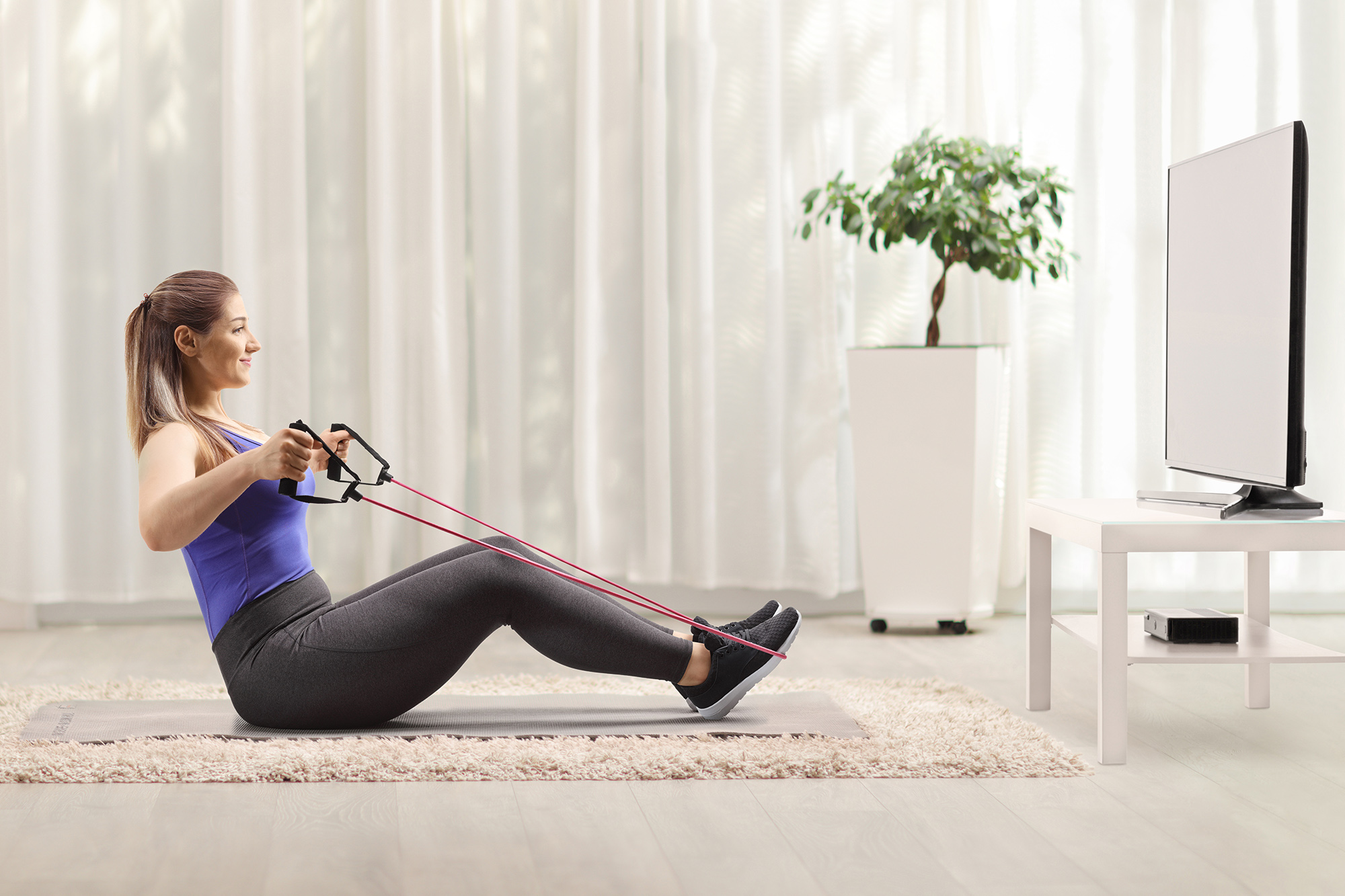
Build workouts that feel adaptable and complete by balancing mobility, strength, cardio, core, and balance. Organize sessions around functional patterns: push, pull, squat, hinge, and carry. Favor compound movements such as squats, hip hinges, rows, and presses to train more muscle in less time. For home-friendly options, rely on bodyweight, resistance bands, a sturdy chair, and a backpack loaded with books. Use modular blocks you can mix and match: a warm-up of dynamic mobility, a strength block with controlled tempo, a short time-efficient circuit for heart rate, and a brief core finisher. Progress by increasing reps, adjusting tempo, adding resistance, or extending work intervals while preserving quality of movement. Keep rest purposeful and breathe through the nose when possible to encourage calm focus. End with a few minutes of cool-down mobility to support recovery. This modular design offers flexibility when life gets busy and structure when motivation dips.
Progression Without Burnout
The secret to lasting results is gradual progression paired with smart recovery. Increase only one variable at a time: reps, sets, resistance, or time under tension, allowing your joints and connective tissues to adapt. Use a simple effort guide like rate of perceived exertion, aiming to finish most sets with one or two reps in reserve to stay ahead of fatigue. Sprinkle in occasional lighter sessions to consolidate gains and keep enthusiasm high. Prioritize sleep, hydration, and nutrient-dense meals, with attention to protein for muscle repair and colorful plants for micronutrients. Begin each session with a warm-up that elevates temperature and rehearses patterns; end with slower breathing and easy mobility to shift into recovery mode. Watch for signals like persistent soreness, irritability, or dips in performance; respond with reduced volume, more rest, or gentler modalities such as walking or stretching. Progress patiently, and you will avoid the trap of doing too much, too soon.
Make Consistency Inevitable
Consistency grows when you design around habits, not willpower. Pair a clear cue with a simple action and a small reward: for example, after brewing coffee, roll out your mat, then check off your habit tracker or savor a calming breath. Use implementation intentions to remove indecision: if a meeting runs long, then I will perform a shorter session focusing on two movements. Keep a minimum viable workout ready, such as ten minutes of alternating squats, push-ups on an elevated surface, and a plank. Lay out clothes in advance, block time on your calendar, and keep equipment visible to reduce friction. Track progress with brief notes on how you felt, what improved, and one lesson to carry forward. Recruit accountability by sharing intentions with a partner or posting non-personal milestones in a private log. Celebrate small wins immediately; positive emotion cements routines and turns training into a dependable daily anchor.
Adaptation, Variety, and Autonomy
Human bodies thrive on variety, but not chaos. Rotate themes that respect your goals: strength emphasis, mobility focus, low-impact conditioning, or skill practice that challenges balance and coordination. Keep a curated menu of joint-friendly swaps: step-ups or split squats for knee comfort, hip hinges with a backpack for the posterior chain, wall or incline push-ups for shoulders, and low-impact cardio like brisk marching, shadow boxing, or cycling motion on a floor mini-cycle. Use autoregulation by adjusting effort to match sleep, stress, and energy; on tougher days, downshift to lighter tempos or mobility flows. Develop autonomy by learning the feel of solid reps, stable joints, and smooth breathing, and by noticing the difference between productive discomfort and pain. Curiosity prevents boredom: try new tempos, unilateral moves, or mini-challenges such as balance holds. Above all, protect consistency by shaping sessions to your context, reinforcing confidence and long-term adherence.
Measure, Reflect, and Sustain
A sustainable plan relies on a simple feedback loop. Measure what matters: quality reps, controlled tempo, deeper range of motion, steadier breathing, and how quickly you recover between efforts. Use a brief training journal to record exercises, sets, and how you felt before and after. Note sleep quality, stress, and mood; patterns will reveal when to push or pull back. Test progress periodically with repeatable check-ins like a stable plank, a comfortable squat depth, or a brisk circuit performed at a conversational pace. If a metric stalls, adjust one lever at a time: movement selection, volume, rest, or intensity. Refresh your environment with small upgrades and keep sessions enjoyable with music, daylight, or a welcoming ritual. Celebrate milestones, then set the next process goal. Over time, your routine becomes part of your identity, and training shifts from a task to a source of joy, resilience, and whole-person health.