Culinary Journeys: Taste the World One City at a Time
From sizzling street stalls to storied markets, discover how each city serves a unique plate of culture—and plan flavorful trips you'll never forget.
Savoring Cities
To truly understand a destination, follow your fork. Every city tells its story through aroma, texture, and rhythm, offering a sense of place that you can taste as much as see. Begin by culinary mapping neighborhoods: the waterfront where grills kiss the sea breeze, the creative quarter buzzing with artisan bakeries and small roasters, the old town lined with family-run eateries brimming with tradition. Notice how seasonality guides menus and markets, and how regional terroir shapes breads, cheeses, and cured meats. Pair morning walks with flaky pastries, then chase sunset with sizzling skewers or steam-kissed dumplings from a late-night stall. Seek the balance between street food spontaneity and fine dining polish, because both illuminate a city's character in different lights. Ask questions, taste widely, and let curiosity set the pace. The goal isn't to check dishes off a list; it's to weave flavors, conversations, and neighborhoods into a living map you'll carry long after you've boarded your next train.
Markets and Morning Rituals
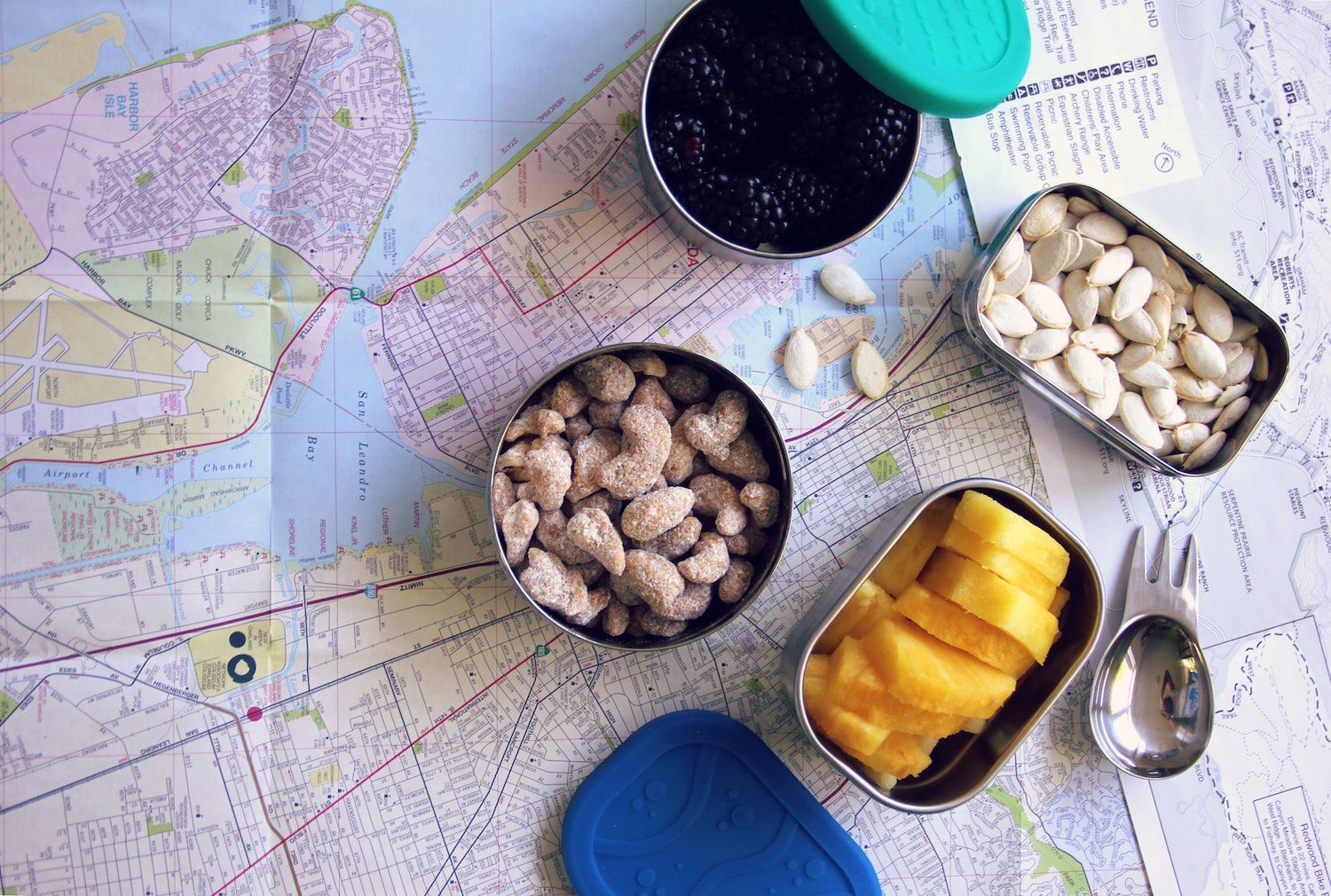
If cities are kitchens, then markets are their beating hearts. Arrive early, when crates crack open and vendors greet the day with proud displays of seasonal produce, briny oysters, fragrant herbs, and still-warm loaves from artisan bakers. Wander slowly: watch a cheesemonger carve delicate petals from a wheel, note how a fishmonger's clear eyes and crushed-ice beds signal freshness, and inhale the orchestra of spice and citrus at a fruit stall. Treat it as a classroom—ask about ripeness, regional varieties, and simple ways locals cook tonight's catch. Respect market etiquette: step aside for regulars, handle with care, and always ask before photographing people at work. Snack as you go with a paper cone of roasted nuts or a slice of charcuterie, then cap it with a small, in-season dessert. Markets anchor you in a community's routines, revealing how local supply chains, sustainable practices, and household traditions shape daily life—and what you should order later.
Street Food and Night Bites
When the sun dips, cities switch to neon and charcoal. Follow the sizzling soundtrack of street food: crackling grills, woks whooshing with flame, griddles whispering batter-to-gold. Look for long queues—the most democratic rating system—and a tidy setup that signals good food safety. Start small with skewers brushed in sweet heat, then graduate to stuffed breads, hand-rolled dumplings, and broths that hug the night air. A squeeze of citrus, a dab of house chili paste, or a sprinkle of herb brings balance to rich bites. Carry napkins, embrace shared tables, and let vendors guide you to their specialties. Respect local trash and recycling norms; many stalls pride themselves on low waste. If you're uncertain about spice levels or ingredients, ask; most cooks enjoy tailoring a plate to your curiosity. Street scenes offer spontaneous conversation, reveals of neighborhood history, and an unfiltered view of how communities gather, celebrate, and keep culinary traditions deliciously alive.
Cooking With Locals
To move from tasting to understanding, step into a home kitchen or small workshop for a cooking class. Here, heritage lives in knife skills, the timing of a simmer, and the way spices are bloomed to unlock their perfume. You might learn how to fold dough so it traps steam, grind a paste on a stone, or coax depth from humble vegetables with a patient sauté. These sessions are about hospitality as much as recipes: stories spill from cupboards, family tricks surface, and regional ingredients gain context you can't glean from a menu. Choose responsible operators who support local producers and pay fair wages, and share any dietary needs up front so hosts can plan thoughtfully. Language barriers fade through gestures, tasting spoons, and laughter. Leave not just with techniques and a worn recipe card, but with confidence to recreate flavors at home, keeping your journey alive with every stir, sizzle, and scent.
From Bistros to Tasting Menus
Cities shine across the dining spectrum, from neighborhood bistros to tasting menus staged with theatrical precision. For casual meals, look for short menus, seasonal chalkboards, and tables buzzing with locals—signs of fresh sourcing and fair prices. For a splurge, consider counter seating near an open kitchen or a modest chef's table where each course becomes a conversation. Book thoughtfully: research reservation windows, note dress codes, and set alerts for last-minute cancellations. Ask about wine pairings or non-alcoholic flights highlighting teas, infusions, and ferments. If you're solo, embrace it; attentive servers often turn a seat for one into the best culinary vantage point. Be curious but kind with photos, keeping dining etiquette in mind. Whether you choose crisp linens or a sunny terrace, let the rhythm of courses slow your day. Fine or casual, the right room frames flavors, transforming dinner into a memory that lingers well beyond dessert.
Customs, Comfort, and Respect
Great trips taste better with cultural care. Learn basic etiquette: when to clink glasses, how to place chopsticks, whether bread becomes a utensil, or if tipping is customary. Clarify dietary needs—from vegetarian and halal preferences to allergy concerns—using clear, friendly phrases; a translated card can help. Dress comfortably yet respectfully, especially near sacred sites or during religious observances that may affect meal hours. Ask before photos, keep voices gentle in intimate spaces, and honor shared-table norms. Think sustainability: refill bottles, choose venues with zero-waste or farm-to-table practices, and favor seasonal dishes that travel fewer miles. Support small vendors by paying fairly and carrying reusable cutlery or totes for impromptu snacks. Curiosity goes further than judgment; what seems unusual can reveal history, ingenuity, and community values. Eat with openness, and you'll find that generosity—both given and received—becomes the secret ingredient in every city you explore.
Planning, Budget, and Lasting Memories
Smart planning stretches flavor and funds. Sketch a food itinerary that balances splurge-and-save: markets for breakfast, street snacks for lunch, and one destination dinner anchoring each city. Cluster meals by neighborhood to minimize transit and leave time for serendipity—pop into that tiny café with a buttery aroma or the stall the locals swear by. Track costs with a simple budget rule, and reserve key spots early while leaving breathing room for discoveries. Pack light tools—folding tote, compact water bottle, travel-friendly spice kit—and know basic customs regulations before buying edible souvenirs. Document tastes with a food journal: note textures, seasonings, and the stories of people who cooked for you. Revisit favorites on a second pass; repetition deepens understanding. Most of all, savor slowly. Cities change, but the practice of attentive eating endures, turning meals into memories vivid enough to carry you, delicious bite by bite, to the next horizon.