Hydration Myths and Facts You Should Know
Separate hydration myths from science: how much to drink, the truth about coffee, electrolytes, and signs you're over- or under-hydrated.
The '8 Glasses' Rule, Revisited
Many people repeat the idea that everyone needs exactly eight glasses of water a day, but hydration is more nuanced. Your optimal intake depends on body size, activity level, climate, and diet, and it includes liquids from water, other beverages, and water-rich foods like cucumbers, oranges, soups, and yogurt. Thirst is a helpful starting cue, though it can lag during intense focus or in cold weather. A simple check is urine color: aim for pale straw rather than clear all day. Overdoing fluids can dilute electrolytes, which is not ideal for fluid balance. Needs also shift with salty meals, high-fiber days, travel, or altitude. Sipping steadily through the day supports gentle absorption better than occasional gulps. During long, sweaty efforts, pairing fluids with a little sodium and carbohydrates can aid retention. Instead of counting glasses, build a flexible rhythm: a glass on waking, with each meal, and around activity often covers baseline needs while honoring individual needs and daily context.
Not Only Water Hydrates
It is a myth that only plain water counts. Your total fluid intake also includes tea, coffee, milk, kefir, smoothies, broth, and even produce like watermelon, berries, and lettuce. While caffeine has a mild diuretic effect, typical servings of coffee or tea still provide a net hydration benefit for most people. Milk hydrates effectively because it contains electrolytes and protein, which can help with fluid retention after exercise. Soups and stews supply both fluids and sodium, useful when you have been sweating. Be mindful with sugary beverages: they hydrate, but excess added sugar is not ideal for everyday health. Alcohol tends to increase fluid loss; if you choose to drink it, balance with water and food. Variety keeps habits sustainable, so build a rotation you enjoy. Add citrus slices or herbs to water, alternate with herbal teas, and include fruits and vegetables at meals to make staying hydrated easier and more appetizing.
The Truth About Urine Color
Clear urine all day is not the gold standard. The practical target is a pale straw shade, indicating a healthy fluid balance. Very dark, concentrated urine suggests you likely need more fluid, while constantly clear urine may point to overhydration, which can dilute sodium and other electrolytes. Your kidneys regulate fluid meticulously, but even they benefit from reasonable inputs rather than extremes. Consider patterns: Are you drinking heavily at once and then running to the restroom, or spacing intake across the day? Do heat, long workouts, or salty meals change your needs? If you sweat heavily, replenishing some electrolytes alongside water can help maintain balance. On the other hand, chugging large volumes without minerals is not automatically better. Use color, frequency, and how you feel as everyday guides. Dizziness, headaches, dry mouth, or unusually rapid weight changes may signal imbalance; respond by adjusting fluids, food, and rest rather than chasing a perfectly clear hue.
Smart Hydration for Activity
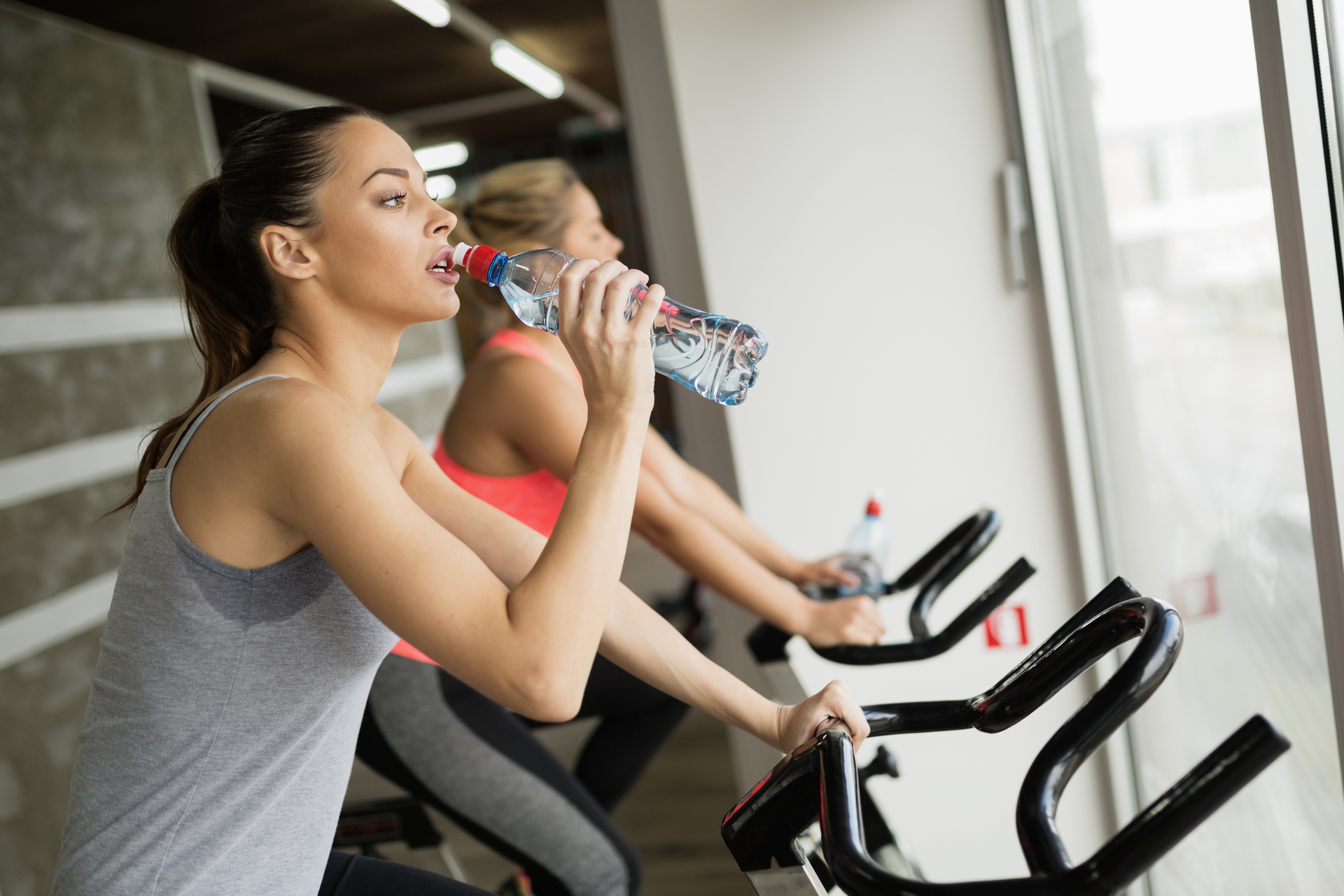
Chugging a big bottle right before a workout is not a foolproof plan. Effective, active-life hydration is a before, during, and after process. Arrive at sessions already well hydrated from steady intake, then sip periodically instead of overloading your stomach. Your sweat rate drives needs: a simple check is weighing yourself before and after a typical workout to see fluid losses, then targeting replacement over the next few hours. Hot, humid conditions or layers of clothing can raise sweat loss; cooler days may lower it, though dry air can still increase breathing-related fluid loss. For longer or sweatier efforts, small amounts of sodium and carbohydrates can improve absorption and retention; this might be a sports beverage, diluted juice with a pinch of salt, or a snack paired with water. Recovery continues afterward with fluids plus a balanced meal. Consistency matters more than occasional overcorrections, so build routines that match your training and environment.
Hydration, Detox, and Skin Realities
Another common myth is that more water automatically ‘detoxes' the body or guarantees glowing skin. Your kidneys and liver already handle filtration and homeostasis with remarkable precision, and adequate fluids support their work without requiring extreme consumption. Water helps maintain circulation, temperature control, and digestion, but it is one piece of a larger puzzle that includes nutrition, sleep, stress management, and environment. Skin appearance also depends on barrier function, humidity, skincare habits, and overall diet; while good hydration contributes to plumpness, overhydration will not clear complexion challenges on its own. Build practical habits: drink a glass on waking, include fluids with meals, carry a bottle you like, and flavor water with citrus or herbs to encourage regular sips. Add hydrating foods such as berries, tomatoes, and leafy greens. Notice cues like dry mouth, fatigue, or concentrated urine and respond thoughtfully. Balanced intake, not extremes, supports steady health from the inside out.