Smart Home Starters: Must-Have Gadgets That Actually Help
Start your smart home with gadgets that genuinely save time: smart plugs, bulbs, speakers, video doorbells, and thermostats—easy wins on day one.
Voice Hubs That Orchestrate It All
A smart speaker or smart display is the brain of a starter smart home, turning scattered gadgets into a coordinated system you can control with natural voice commands or quick taps. Look for reliable far‑field microphones, strong Wi‑Fi reception, and an ecosystem that supports Zigbee, Thread, or Matter so you are not locked into one brand. A screen adds glanceable info, touch controls, and rich status panels for lights, cameras, and thermostats. The best setups use routines that bundle multiple actions: a single phrase can dim lights, adjust climate, and cue music. Place the hub centrally to improve responsiveness and consider mesh Wi‑Fi if coverage is spotty. Prioritize privacy controls such as hardware mic switches, camera shutters, and clear data settings. For families, voice profiles personalize responses and keep calendars or reminders separate. Over time, these hubs learn your preferences, shorten repetitive tasks, and provide accessible control for anyone who prefers hands‑free interaction or needs assistive features.
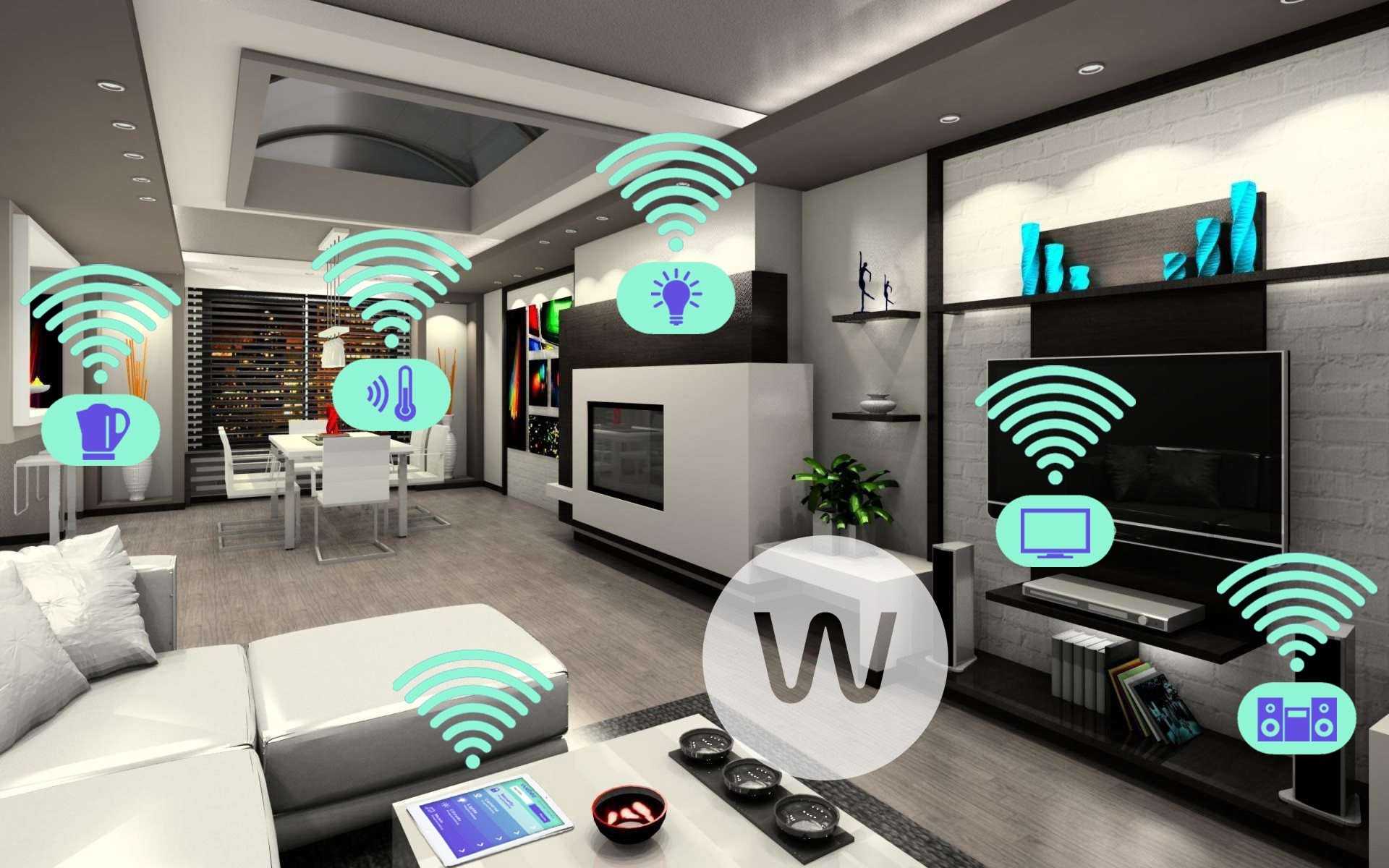
Lighting You Can Live With
Smart lighting delivers impact on day one because it blends comfort, style, and savings. Start with smart bulbs for lamps or smart switches and dimmers for rooms with multiple fixtures. Switches preserve manual control and work with all bulbs, while bulbs enable scenes, colors, and precise tunable white for focus or relaxation. Automate lights by schedule, sunrise and sunset, or motion sensors for hallways and closets. Try circadian lighting that warms in the evening and brightens during the day to support natural rhythms. Pair under‑cabinet light strips with door sensors so cupboards glow when opened. In high‑traffic spaces, use occupancy detection to turn lights off automatically, boosting energy efficiency. When wiring, note three‑way circuits and ensure neutral compatibility or choose battery‑powered remotes that look like wall controls. For reliability, group devices by room in your app, give them intuitive names, and ensure your hub supports Matter for smooth cross‑brand control.
Climate Control That Pays You Back
A smart thermostat brings comfort and savings by combining occupancy detection, geofencing, and data‑driven insights. Remote temperature and humidity sensors help even out hot and cold spots, while adaptive schedules learn when to pre‑heat or pre‑cool for your arrival. If you have a heat pump, radiant floor, or multi‑stage system, confirm compatibility and plan for a C‑wire if required to power advanced features. Tie in ceiling fans or smart vents for gentler, more efficient airflow, and set seasonal modes like Eco or Away to prevent waste when nobody is home. Many thermostats surface energy reports that reveal patterns, such as frequent short cycles or open windows. Add an air quality monitor to nudge ventilation or filtration when particulates rise. Smart climate also plays nicely with lighting and shades: a Good Night routine can lower setpoints, close blinds, and dim lights in one step. The result is quieter comfort and clearer control over utility costs.
Plugs, Power, and Everyday Appliances
Few upgrades are as flexible as the humble smart plug. It gives instant app and voice control to lamps, fans, purifiers, and small appliances, and can add energy monitoring to reveal what silently sips power. Look for auto‑off timers, overload protection, and safety certifications. A smart power strip extends control to whole entertainment centers, letting you shut down accessories while keeping the main device alive. Use automation triggers based on time, motion, or power draw: a plug can detect when the TV turns on and dim nearby lights, or cut power to a space heater after an hour for peace of mind. For kitchens, schedule the kettle to pre‑heat in the morning, or let a coffee routine start when a bedroom motion sensor fires. Label plugs clearly in your app, group them by room, and keep firmware current for reliability. Combined with scenes, these adapters upgrade old gear without replacing beloved devices.
Security, Sensors, and Simple Automation
Starter security is about awareness, not fortresses. A video doorbell or smart camera with two‑way audio, privacy zones, and optional local storage shows who is at the door and records important moments. Add contact sensors to doors and windows, motion sensors for hallways, and glass break detection for large rooms. A small leak detector near sinks, water heaters, or washers can save thousands by sending instant alerts, while a connected smoke and CO alarm can trigger lights to full brightness for faster evacuation. Integrate security with lighting so motion turns on porch lights, or have cameras arm when your phone leaves home. Favor platforms that support Matter or robust bridges for long battery life and reliable Zigbee or Thread connectivity. Review privacy settings, set sensible notifications to avoid fatigue, and test weekly. Smart sensors do more than warn you; they power practical automation that makes daily living calmer, safer, and easier.